What Is Drywall Taping and Why Is It So Important?

January 19, 2026

The Importance of Drywall Taping in Wall Finishing

Drywall taping is a critical step in the drywall installation process, yet it is often overlooked by homeowners. While hanging drywall panels creates the basic structure of your walls and ceilings, taping is what transforms those panels into a smooth and seamless surface ready for paint or other finishes. Without proper drywall taping, even the best drywall installation can look uneven, cracked, or unfinished. Understanding what drywall taping is and why it matters can help you appreciate the value of professional workmanship and long lasting results.

What Is Drywall Taping?

Drywall taping is the process of covering the seams between drywall panels with joint tape and joint compound (also known as mud). The goal is to reinforce the joints, hide screw heads, and create a flat, continuous surface across the entire wall or ceiling.

There are two main types of drywall tape commonly used:

  • Paper tape, which is strong and resistant to cracking when applied correctly
  • Fiberglass mesh tape, which is easier to apply but requires proper technique to prevent cracking

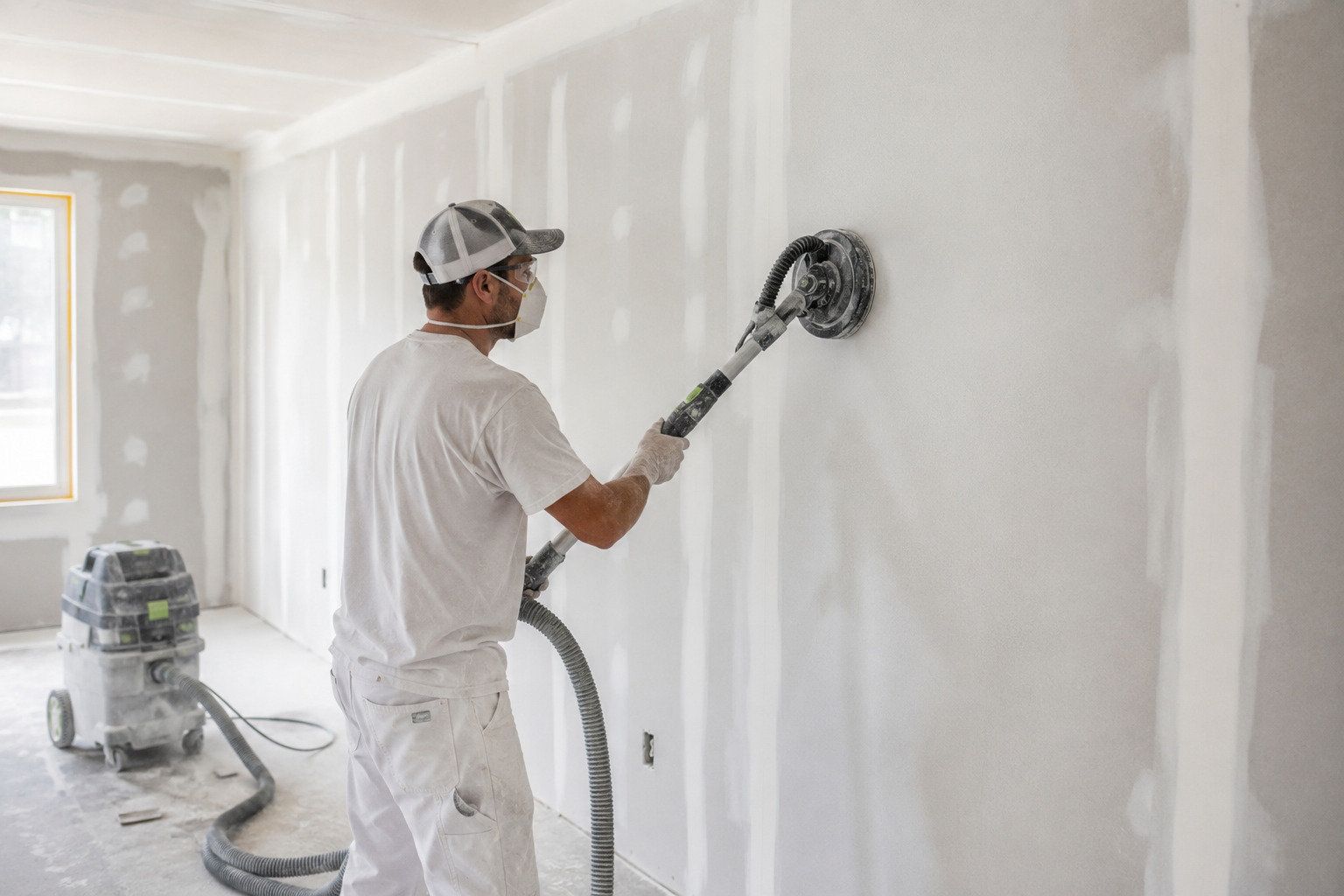
The taping process typically involves several stages. First, a base coat of joint compound is applied to embed the tape. Once dry, additional coats are added to feather out the seams and blend them smoothly into the surrounding drywall. Each coat must dry and be sanded before the next is applied.

Why Drywall Taping Is So Important

Drywall taping plays a major role in both the appearance and durability of your walls. Proper taping prevents cracks from forming along seams as your home naturally expands and contracts over time. Poor taping, on the other hand, can lead to visible lines, nail pops, and cracking that show through paint and other finishes.

Taping also ensures a smooth surface. Without it, seams and fasteners remain visible, resulting in a rough, unprofessional look. Even high-quality paint or wallpaper cannot hide poorly taped drywall.

In addition, drywall taping strengthens the joints between panels. This reinforcement is especially important in high-traffic areas, ceilings, and corners where movement and stress are more likely to occur.

The Impact on Paint and Final Finishes

Drywall taping directly affects the quality of the final finish. A well-taped wall allows paint to go on evenly, without shadows or texture inconsistencies. In contrast, uneven taping can create ridges or dips that become very noticeable once painted, especially under natural or directional lighting.

For homeowners aiming for a clean, modern look, drywall taping is essential. It provides the smooth foundation needed for premium finishes, decorative wall treatments, or accent walls.

Why Professional Drywall Taping Makes a Difference

While drywall taping may look simple, it requires skill, patience, and experience. Achieving smooth seams and invisible joints takes precise application, proper drying times, and careful sanding. Small mistakes can lead to uneven surfaces or visible flaws that are difficult to fix later.

Professional drywall tapers understand how to work efficiently while delivering consistent results. They know how many coats are needed, how to blend seams correctly, and how to avoid common issues such as cracking or bubbling tape.

Why Professional Drywall Taping Is Essential for Smooth Walls

Drywall taping is one of the most important steps in creating smooth, durable, and visually appealing walls and ceilings. It reinforces drywall joints, helps prevent cracks, and ensures a flawless finish for paint or other wall treatments. Whether you are building new or renovating, investing in proper drywall taping done by experienced professionals can make a noticeable difference in the quality and longevity of your space.

You might also like
May 2, 2024
When it comes to building or renovating a home, one of the crucial decisions homeowners face is choosing the right materials for their walls. While drywall is the most popular choice in modern homes, it's not the only contender. In this guide, we'll delve into the pros and cons of drywall versus other wall materials, helping you make an informed decision for your next project. Drywall: The Standard Choice Pros: Affordability: Drywall is generally more affordable compared to many other wall materials, making it a budget-friendly option for homeowners. Easy Installation: Drywall installation is relatively quick and straightforward, especially when compared to alternatives like plaster or brick. This can save both time and labor costs during construction or renovation. Versatility: Drywall can be easily painted, textured, or decorated to match any interior design style, offering homeowners flexibility in customization. Fire Resistance: Most drywall products are designed to be fire-resistant, adding a layer of safety to your home. Cons: Prone to Damage: Drywall is susceptible to dents, cracks, and water damage, requiring repairs or replacement, especially in areas prone to moisture. Lack of Durability: While drywall is adequate for most interior walls, it may not withstand heavy impacts or structural stresses as well as materials like concrete or brick. Limited Insulation: Drywall alone provides minimal insulation against sound and temperature fluctuations, necessitating additional insulation materials for improved energy efficiency. Alternatives to Drywall Plaster: Pros: Durability: Plaster walls are highly durable and resistant to dents and scratches, offering long-term structural integrity. Cons: Cost: Plaster installation is typically more expensive than drywall due to labor-intensive application techniques. Brick: Pros: Strength: Brick walls provide excellent structural strength and can withstand extreme weather conditions. Insulation: Bricks offer natural thermal insulation, helping regulate indoor temperatures and reduce energy costs. Cons: Expense: Brick construction is costly, both in terms of materials and labor. Time-Consuming: Building brick walls is a time-consuming process, extending the overall construction timeline. Wood Paneling: Pros: Aesthetic Appeal: Wood paneling adds warmth and character to interior spaces, enhancing visual appeal. Insulation: Depending on the type of wood, paneling can offer decent insulation properties. Cons: Maintenance: Wood paneling requires regular maintenance, including sealing and refinishing, to preserve its appearance and prevent moisture damage. Cost: Quality wood paneling can be expensive, particularly for large wall surfaces. Each wall material option comes with its own set of advantages and drawbacks, and the choice ultimately depends on factors such as budget, aesthetic preferences, and practical considerations. While drywall remains a popular and cost-effective choice for interior walls, alternatives like plaster, brick, and wood paneling offer unique benefits in terms of durability, insulation, and aesthetic appeal. Ultimately, it is up to you as the homeowner to weigh the pros and cons of each material carefully so that you can make an informed decision that suits your needs and preferences. If you decide that drywall is the best choice for your space, our drywall installation experts are here to help with this important part of your renovation project!
March 9, 2024
When it comes to constructing or renovating homes, offices, or commercial spaces, one material stands out as a fundamental element in interior finishing: drywall. Also known as gypsum board or plasterboard, drywall is a ubiquitous feature in modern construction due to its versatility, affordability, and ease of installation. Whether you're a seasoned contractor or a DIY enthusiast, understanding the basics of drywall is essential. In this brief guide, we'll look at the fundamentals of drywall, its composition, installation process, and key considerations. What is Drywall? Before we can delve deeper into the different types and uses of drywall, it is important have a basic understanding of the material we are working with. Drywall consists of gypsum plaster sandwiched between two layers of paper. The gypsum core provides rigidity and fire resistance, while the paper layers offer durability and facilitate easy finishing. Available in various thicknesses and sizes, drywall panels are manufactured in standard dimensions suitable for different applications. Composition of Drywall The primary component of drywall, gypsum, is a soft sulfate mineral known for its fire-resistant properties. When mixed with water, gypsum forms a paste that solidifies into a hard substance, providing a stable core for each drywall panel. The outer layers of paper serve multiple purposes. The front-facing paper provides a smooth surface for painting or wallpapering, while the back paper enhances structural integrity and prevents moisture absorption. Types of Drywall Standard drywall is the most common type of drywall used for interior walls and ceilings in residential and commercial construction. This all-purpose material is used anywhere that special considerations, such as moisture and fire-resistance, are not needed. Moisture-resistant drywall is ideal for areas prone to moisture such as bathrooms, kitchens, and basements. It features water-repellent paper facing that helps prevent mold and mildew growth. Fire-Resistant drywall is designed to slow the spread of fire. It does this by means of special additives or glass fibers in the gypsum core that offer enhanced fire protection. Installation Process Though simple and straight-forward in its technique, drywall installation requires a steady hand and a tried-and-true process. This is a brief overview of our drywall installation process: Preparation: Before installing drywall, ensure the framing is structurally sound and meets building codes. Measure and cut drywall panels to fit the dimensions of the walls or ceilings. Hanging: Using drywall screws, attach the panels to the framing studs or joists, starting from the ceiling and working downwards. Leave a small gap between panels for expansion and contraction. Taping and Mudding: Apply drywall tape over the seams between panels and cover with joint compound (also known as mud). Smooth the mud with a drywall knife to create a seamless surface. Sanding and Finishing: Once the mud dries, sand the joints to achieve a smooth texture. Apply additional coats of mud as needed, sanding between each coat until the surface is uniform and free of imperfections. Priming and Painting: Before painting, apply a coat of primer to seal the drywall surface and enhance paint adhesion. Choose high-quality paint suitable for interior walls and apply evenly for a professional finish. Key Considerations When dealing with drywall, there are a few key items to keep in mind: Safety: When handling drywall panels and tools, wear appropriate safety gear such as gloves, goggles, and dust masks to protect against injuries and airborne particles. Moisture Control: Proper ventilation and moisture barriers are essential to prevent moisture buildup and ensure the longevity of drywall installations, especially in humid environments. Quality Materials: Invest in high-quality drywall panels, screws, joint compound, and painting supplies to achieve durable and aesthetically pleasing results. Drywall serves as the backbone of modern interior construction, offering a cost-effective and versatile solution for partitioning spaces, concealing wiring and plumbing, and creating smooth, paintable surfaces. By understanding the basics of drywall composition, installation techniques, and maintenance requirements, homeowners and contractors alike can make informed choices while transforming living and working environments. Whether you're embarking on a renovation project or constructing a new building, drywall is sure to be an important part of the project. Call us today to get the right materials installed the right way for long-lasting and beautiful walls!
January 23, 2024
Installing drywall can be a challenging task, especially when it comes to lifting and positioning the heavy panels. That's where a good drywall lift becomes your unsung hero. In this blog post, we'll explore the features and qualities that define a reliable drywall lift, making your construction projects smoother and more efficient.  Sturdy Construction: The foundation of any good drywall lift lies in its construction. Look for a lift made from high-quality materials like steel or aluminum. These materials provide the necessary strength and durability to withstand the weight of drywall panels without compromising stability. A sturdy frame ensures that the lift can handle the rigors of construction sites, making it a long-lasting investment. Adjustable Height and Reach: Versatility is key when it comes to choosing a drywall lift. Opt for a model with adjustable height settings to accommodate different ceiling heights. Additionally, a lift with an extended reach allows you to position panels precisely where you need them. These adjustable features contribute to the lift's adaptability, making it suitable for various projects. Easy Maneuverability: A good drywall lift should be easy to maneuver around the job site. Look for models with smooth-rolling casters that can navigate uneven surfaces effortlessly. Some lifts even come with swivel casters, providing enhanced maneuverability and allowing you to position the lift with precision. Easy mobility ensures that you can transport the lift to different areas of your home or construction site without hassle. Quick and Secure Locking Mechanism: Time is of the essence in many construction projects, and a reliable locking mechanism can significantly speed up the drywall installation process. Look for a lift with a quick and secure locking system that firmly holds the drywall panels in place during lifting and positioning. This feature not only improves efficiency but also ensures safety and prevents damage to the drywall by preventing accidental releases. User-Friendly Design: A good drywall lift should be user-friendly, even for those who are not seasoned construction professionals. Consider features such as easy-to-use controls, intuitive assembly, and clear instructions. A user-friendly design minimizes the learning curve, allowing you to set up and operate the lift efficiently, ultimately saving you time and effort. Weight Capacity: Different drywall lifts come with varying weight capacities. Ensure that the lift you choose can handle the weight of the drywall panels you intend to install. It's crucial to select a lift with a sufficient weight capacity to avoid overloading, which could lead to instability and safety risks. Investing in a good drywall lift is a smart decision for anyone involved in construction or renovation projects. The right lift can make the drywall installation process smoother, faster, and safer. Consider factors like sturdy construction, adjustable features, easy maneuverability, locking mechanisms, user-friendly design, and weight capacity when choosing the perfect drywall lift for your needs. With the right equipment by your side, you'll be elevating your construction game to new heights.
estimated_quoteArtboard 3

GET FREE QUOTE

FREE QUOTE

Contact Us