What Makes a Good Drywall Lift?

January 23, 2024

Installing drywall can be a challenging task, especially when it comes to lifting and positioning the heavy panels. That's where a good drywall lift becomes your unsung hero. In this blog post, we'll explore the features and qualities that define a reliable drywall lift, making your construction projects smoother and more efficient.


Sturdy Construction:

The foundation of any good drywall lift lies in its construction. Look for a lift made from high-quality materials like steel or aluminum. These materials provide the necessary strength and durability to withstand the weight of drywall panels without compromising stability. A sturdy frame ensures that the lift can handle the rigors of construction sites, making it a long-lasting investment.


Adjustable Height and Reach:

Versatility is key when it comes to choosing a drywall lift. Opt for a model with adjustable height settings to accommodate different ceiling heights. Additionally, a lift with an extended reach allows you to position panels precisely where you need them. These adjustable features contribute to the lift's adaptability, making it suitable for various projects.


Easy Maneuverability:

A good drywall lift should be easy to maneuver around the job site. Look for models with smooth-rolling casters that can navigate uneven surfaces effortlessly. Some lifts even come with swivel casters, providing enhanced maneuverability and allowing you to position the lift with precision. Easy mobility ensures that you can transport the lift to different areas of your home or construction site without hassle.


Quick and Secure Locking Mechanism:

Time is of the essence in many construction projects, and a reliable locking mechanism can significantly speed up the drywall installation process. Look for a lift with a quick and secure locking system that firmly holds the drywall panels in place during lifting and positioning. This feature not only improves efficiency but also ensures safety and prevents damage to the drywall by preventing accidental releases.


User-Friendly Design:

A good drywall lift should be user-friendly, even for those who are not seasoned construction professionals. Consider features such as easy-to-use controls, intuitive assembly, and clear instructions. A user-friendly design minimizes the learning curve, allowing you to set up and operate the lift efficiently, ultimately saving you time and effort.


Weight Capacity:

Different drywall lifts come with varying weight capacities. Ensure that the lift you choose can handle the weight of the drywall panels you intend to install. It's crucial to select a lift with a sufficient weight capacity to avoid overloading, which could lead to instability and safety risks.


Investing in a good drywall lift is a smart decision for anyone involved in construction or renovation projects. The right lift can make the drywall installation process smoother, faster, and safer. Consider factors like sturdy construction, adjustable features, easy maneuverability, locking mechanisms, user-friendly design, and weight capacity when choosing the perfect drywall lift for your needs. With the right equipment by your side, you'll be elevating your construction game to new heights.

You might also like
July 30, 2026
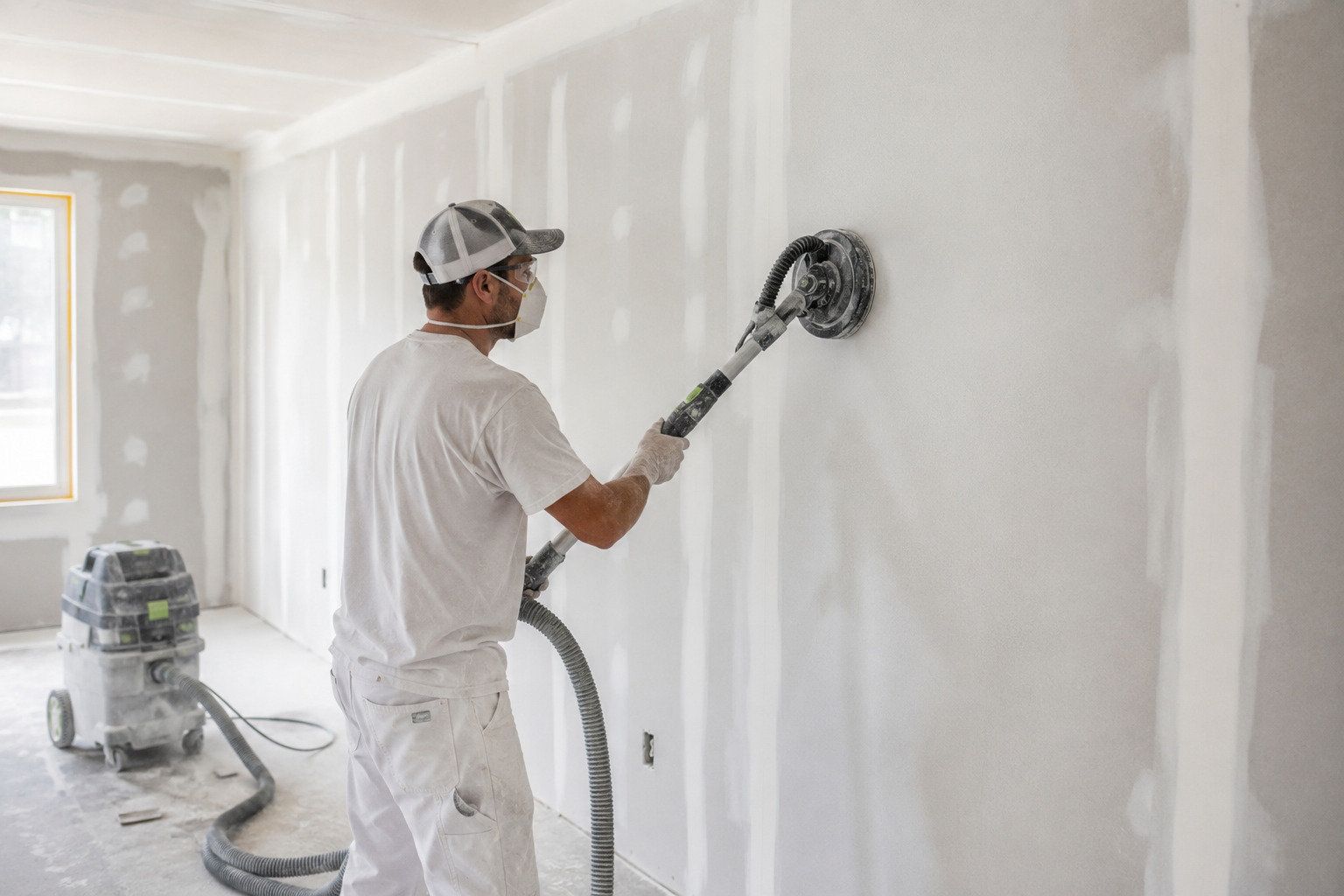
Professional Drywall Sanding for Lasting Quality
January 19, 2026
The Importance of Drywall Taping in Wall Finishing
May 2, 2024
When it comes to building or renovating a home, one of the crucial decisions homeowners face is choosing the right materials for their walls. While drywall is the most popular choice in modern homes, it's not the only contender. In this guide, we'll delve into the pros and cons of drywall versus other wall materials, helping you make an informed decision for your next project. Drywall: The Standard Choice Pros: Affordability: Drywall is generally more affordable compared to many other wall materials, making it a budget-friendly option for homeowners. Easy Installation: Drywall installation is relatively quick and straightforward, especially when compared to alternatives like plaster or brick. This can save both time and labor costs during construction or renovation. Versatility: Drywall can be easily painted, textured, or decorated to match any interior design style, offering homeowners flexibility in customization. Fire Resistance: Most drywall products are designed to be fire-resistant, adding a layer of safety to your home. Cons: Prone to Damage: Drywall is susceptible to dents, cracks, and water damage, requiring repairs or replacement, especially in areas prone to moisture. Lack of Durability: While drywall is adequate for most interior walls, it may not withstand heavy impacts or structural stresses as well as materials like concrete or brick. Limited Insulation: Drywall alone provides minimal insulation against sound and temperature fluctuations, necessitating additional insulation materials for improved energy efficiency. Alternatives to Drywall Plaster: Pros: Durability: Plaster walls are highly durable and resistant to dents and scratches, offering long-term structural integrity. Cons: Cost: Plaster installation is typically more expensive than drywall due to labor-intensive application techniques. Brick: Pros: Strength: Brick walls provide excellent structural strength and can withstand extreme weather conditions. Insulation: Bricks offer natural thermal insulation, helping regulate indoor temperatures and reduce energy costs. Cons: Expense: Brick construction is costly, both in terms of materials and labor. Time-Consuming: Building brick walls is a time-consuming process, extending the overall construction timeline. Wood Paneling: Pros: Aesthetic Appeal: Wood paneling adds warmth and character to interior spaces, enhancing visual appeal. Insulation: Depending on the type of wood, paneling can offer decent insulation properties. Cons: Maintenance: Wood paneling requires regular maintenance, including sealing and refinishing, to preserve its appearance and prevent moisture damage. Cost: Quality wood paneling can be expensive, particularly for large wall surfaces. Each wall material option comes with its own set of advantages and drawbacks, and the choice ultimately depends on factors such as budget, aesthetic preferences, and practical considerations. While drywall remains a popular and cost-effective choice for interior walls, alternatives like plaster, brick, and wood paneling offer unique benefits in terms of durability, insulation, and aesthetic appeal. Ultimately, it is up to you as the homeowner to weigh the pros and cons of each material carefully so that you can make an informed decision that suits your needs and preferences. If you decide that drywall is the best choice for your space, our drywall installation experts are here to help with this important part of your renovation project!
estimated_quoteArtboard 3

GET FREE QUOTE

FREE QUOTE

Contact Us