What to Expect During the Drywall Sanding Process

July 30, 2026

Professional Drywall Sanding for Lasting Quality

Drywall sanding is one of the final and most important steps in achieving smooth, paint-ready walls and ceilings. While it may appear to be a straightforward task, professional drywall sanding requires skill, precision, and specialized equipment to produce a flawless finish. Whether you're renovating a single room, finishing a basement, or completing a new construction project, understanding the drywall sanding process can help you appreciate the value of hiring experienced professionals. At Drywallers Kitchener Inc., every sanding project is completed with attention to detail to ensure beautiful, long-lasting results.


Preparing the Work Area

Before sanding begins, the work area is carefully prepared to protect the rest of your home. Floors, furniture, and nearby surfaces are covered to minimize dust and simplify cleanup. Professionals also inspect the drywall to ensure the joint compound has dried completely before sanding begins.

Proper preparation not only protects your property but also creates the ideal conditions for producing a smooth and consistent finish.


Inspecting the Drywall Surface

Before sanding, drywall professionals examine every wall and ceiling to identify areas that need additional attention. They check joints, corners, screw holes, and taped seams for excess joint compound, uneven surfaces, or minor imperfections.

This inspection allows contractors to determine the best sanding approach while identifying any areas that may require an additional coat of compound before the final sanding stage.


Sanding for a Smooth Finish

The actual sanding process is performed using specialized sanding tools and equipment designed to create perfectly even surfaces. Professionals carefully smooth the dried joint compound without damaging the drywall paper underneath.

The goal is to blend every seam, corner, and fastener into the surrounding wall so that they become completely invisible after painting. Experienced drywall finishers know exactly how much pressure to apply, preventing common problems such as over-sanding or leaving visible ridges behind.

Every section is sanded methodically to achieve a uniform finish across the entire room.


Dust Control Throughout the Process

Drywall sanding naturally creates fine dust that can spread quickly throughout a home if not properly managed. Professional drywall contractors use dust-control systems, vacuum-assisted sanders, and protective barriers to significantly reduce airborne particles.

These advanced techniques help maintain cleaner indoor air, reduce cleanup time, and protect nearby rooms from unnecessary dust. Effective dust management also creates a safer and more comfortable environment during the renovation process.


Final Inspection and Touch-Ups

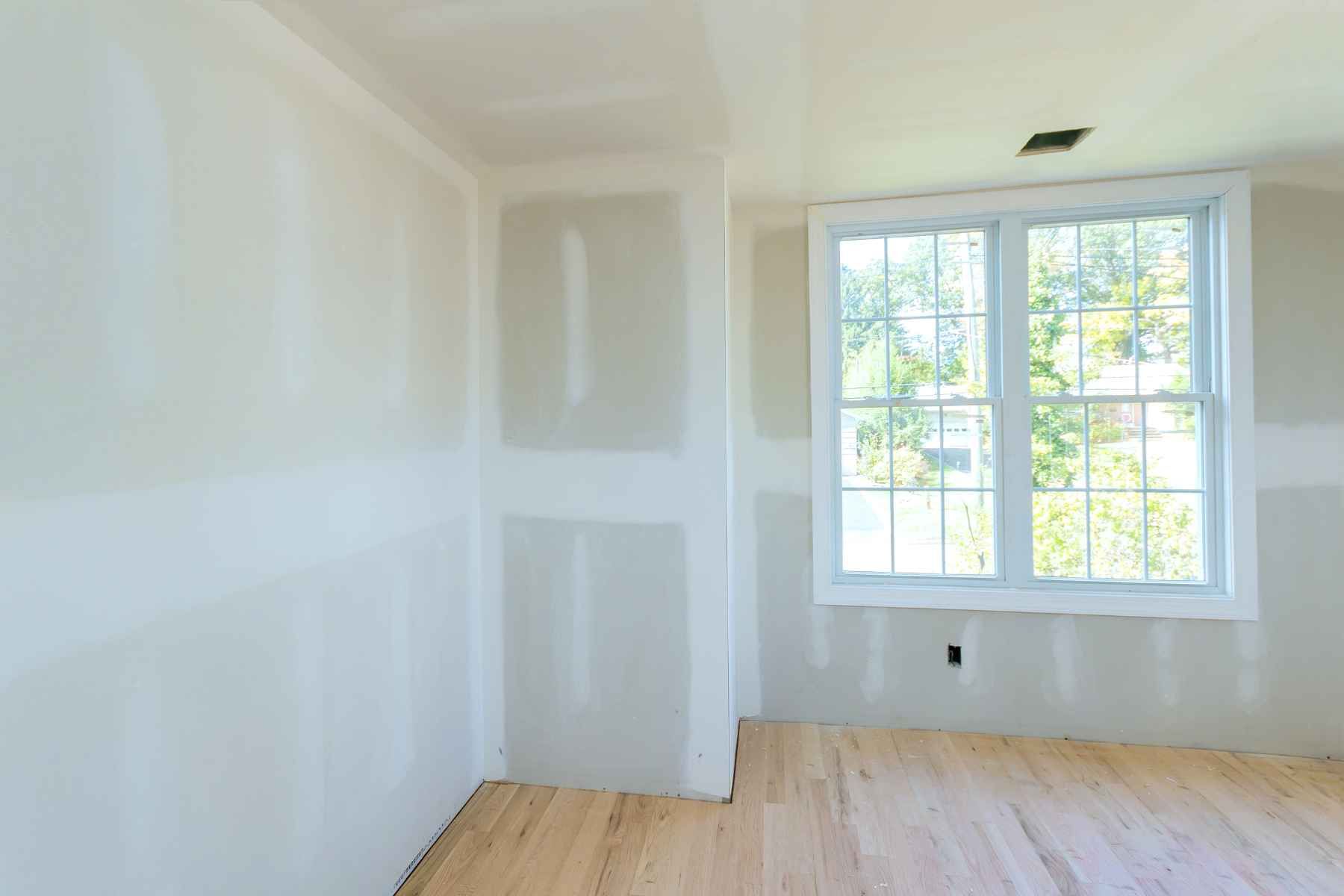
Once sanding is complete, every surface is thoroughly inspected under proper lighting. Even small imperfections can become noticeable after paint is applied, so professionals carefully check the walls from multiple angles.

If any low spots, scratches, or visible seams remain, additional joint compound may be applied before completing a final round of sanding. This attention to detail ensures every wall and ceiling is perfectly prepared for primer and paint.


Ready for Primer and Paint

After the final inspection, the drywall surface is clean, smooth, and ready for finishing. Properly sanded drywall allows primer and paint to adhere evenly, resulting in a professional appearance with consistent texture and colour throughout the room.

A quality sanding job also helps improve the durability of the finished walls by providing a stable surface that resists peeling, cracking, and other common paint issues over time.


Trust Drywallers Kitchener Inc. for Professional Results

Professional drywall sanding is essential for achieving the flawless finish every homeowner expects. At Drywallers Kitchener Inc., experienced craftsmen combine proven techniques, high-quality equipment, and meticulous attention to detail to deliver smooth, paint-ready walls on every project.

Whether you're renovating your home, finishing a basement, or completing a commercial construction project, our team is committed to providing exceptional drywall sanding services that create beautiful interiors built to last. Let our professional drywallers help bring your walls and ceilings to perfection.

You might also like
January 19, 2026
The Importance of Drywall Taping in Wall Finishing
May 2, 2024
When it comes to building or renovating a home, one of the crucial decisions homeowners face is choosing the right materials for their walls. While drywall is the most popular choice in modern homes, it's not the only contender. In this guide, we'll delve into the pros and cons of drywall versus other wall materials, helping you make an informed decision for your next project. Drywall: The Standard Choice Pros: Affordability: Drywall is generally more affordable compared to many other wall materials, making it a budget-friendly option for homeowners. Easy Installation: Drywall installation is relatively quick and straightforward, especially when compared to alternatives like plaster or brick. This can save both time and labor costs during construction or renovation. Versatility: Drywall can be easily painted, textured, or decorated to match any interior design style, offering homeowners flexibility in customization. Fire Resistance: Most drywall products are designed to be fire-resistant, adding a layer of safety to your home. Cons: Prone to Damage: Drywall is susceptible to dents, cracks, and water damage, requiring repairs or replacement, especially in areas prone to moisture. Lack of Durability: While drywall is adequate for most interior walls, it may not withstand heavy impacts or structural stresses as well as materials like concrete or brick. Limited Insulation: Drywall alone provides minimal insulation against sound and temperature fluctuations, necessitating additional insulation materials for improved energy efficiency. Alternatives to Drywall Plaster: Pros: Durability: Plaster walls are highly durable and resistant to dents and scratches, offering long-term structural integrity. Cons: Cost: Plaster installation is typically more expensive than drywall due to labor-intensive application techniques. Brick: Pros: Strength: Brick walls provide excellent structural strength and can withstand extreme weather conditions. Insulation: Bricks offer natural thermal insulation, helping regulate indoor temperatures and reduce energy costs. Cons: Expense: Brick construction is costly, both in terms of materials and labor. Time-Consuming: Building brick walls is a time-consuming process, extending the overall construction timeline. Wood Paneling: Pros: Aesthetic Appeal: Wood paneling adds warmth and character to interior spaces, enhancing visual appeal. Insulation: Depending on the type of wood, paneling can offer decent insulation properties. Cons: Maintenance: Wood paneling requires regular maintenance, including sealing and refinishing, to preserve its appearance and prevent moisture damage. Cost: Quality wood paneling can be expensive, particularly for large wall surfaces. Each wall material option comes with its own set of advantages and drawbacks, and the choice ultimately depends on factors such as budget, aesthetic preferences, and practical considerations. While drywall remains a popular and cost-effective choice for interior walls, alternatives like plaster, brick, and wood paneling offer unique benefits in terms of durability, insulation, and aesthetic appeal. Ultimately, it is up to you as the homeowner to weigh the pros and cons of each material carefully so that you can make an informed decision that suits your needs and preferences. If you decide that drywall is the best choice for your space, our drywall installation experts are here to help with this important part of your renovation project!
March 9, 2024
When it comes to constructing or renovating homes, offices, or commercial spaces, one material stands out as a fundamental element in interior finishing: drywall. Also known as gypsum board or plasterboard, drywall is a ubiquitous feature in modern construction due to its versatility, affordability, and ease of installation. Whether you're a seasoned contractor or a DIY enthusiast, understanding the basics of drywall is essential. In this brief guide, we'll look at the fundamentals of drywall, its composition, installation process, and key considerations. What is Drywall? Before we can delve deeper into the different types and uses of drywall, it is important have a basic understanding of the material we are working with. Drywall consists of gypsum plaster sandwiched between two layers of paper. The gypsum core provides rigidity and fire resistance, while the paper layers offer durability and facilitate easy finishing. Available in various thicknesses and sizes, drywall panels are manufactured in standard dimensions suitable for different applications. Composition of Drywall The primary component of drywall, gypsum, is a soft sulfate mineral known for its fire-resistant properties. When mixed with water, gypsum forms a paste that solidifies into a hard substance, providing a stable core for each drywall panel. The outer layers of paper serve multiple purposes. The front-facing paper provides a smooth surface for painting or wallpapering, while the back paper enhances structural integrity and prevents moisture absorption. Types of Drywall Standard drywall is the most common type of drywall used for interior walls and ceilings in residential and commercial construction. This all-purpose material is used anywhere that special considerations, such as moisture and fire-resistance, are not needed. Moisture-resistant drywall is ideal for areas prone to moisture such as bathrooms, kitchens, and basements. It features water-repellent paper facing that helps prevent mold and mildew growth. Fire-Resistant drywall is designed to slow the spread of fire. It does this by means of special additives or glass fibers in the gypsum core that offer enhanced fire protection. Installation Process Though simple and straight-forward in its technique, drywall installation requires a steady hand and a tried-and-true process. This is a brief overview of our drywall installation process: Preparation: Before installing drywall, ensure the framing is structurally sound and meets building codes. Measure and cut drywall panels to fit the dimensions of the walls or ceilings. Hanging: Using drywall screws, attach the panels to the framing studs or joists, starting from the ceiling and working downwards. Leave a small gap between panels for expansion and contraction. Taping and Mudding: Apply drywall tape over the seams between panels and cover with joint compound (also known as mud). Smooth the mud with a drywall knife to create a seamless surface. Sanding and Finishing: Once the mud dries, sand the joints to achieve a smooth texture. Apply additional coats of mud as needed, sanding between each coat until the surface is uniform and free of imperfections. Priming and Painting: Before painting, apply a coat of primer to seal the drywall surface and enhance paint adhesion. Choose high-quality paint suitable for interior walls and apply evenly for a professional finish. Key Considerations When dealing with drywall, there are a few key items to keep in mind: Safety: When handling drywall panels and tools, wear appropriate safety gear such as gloves, goggles, and dust masks to protect against injuries and airborne particles. Moisture Control: Proper ventilation and moisture barriers are essential to prevent moisture buildup and ensure the longevity of drywall installations, especially in humid environments. Quality Materials: Invest in high-quality drywall panels, screws, joint compound, and painting supplies to achieve durable and aesthetically pleasing results. Drywall serves as the backbone of modern interior construction, offering a cost-effective and versatile solution for partitioning spaces, concealing wiring and plumbing, and creating smooth, paintable surfaces. By understanding the basics of drywall composition, installation techniques, and maintenance requirements, homeowners and contractors alike can make informed choices while transforming living and working environments. Whether you're embarking on a renovation project or constructing a new building, drywall is sure to be an important part of the project. Call us today to get the right materials installed the right way for long-lasting and beautiful walls!
estimated_quoteArtboard 3

GET FREE QUOTE

FREE QUOTE

Contact Us