How Much Does Drywall Cost?

October 31, 2021

How Much Does Drywall Cost?

Before beginning any remodeling project, you should have a good idea of the cost of the project.  Nothing is worse than being halfway through a remodel and realizing that you don’t have the funds for the last few items.  Fortunately, when it comes to the drywall portion of your project, costs are fairly easy to estimate.  You need to make a couple decisions and take a few measurements, then a few simple calculations will give you a good estimate of how much your drywall will cost.


The first decision you need to make is who will install the drywall.  Small projects can often be accomplished by a reasonably skilled DIYer, but larger or more complicated projects are generally best left to professionals. 
Professionally installed drywall will generally cost you around $2 per square foot.  Installing drywall yourself does not have a monetary cost, but you should still be sure that you have the necessary time and skills to successfully complete the job.  If you realize halfway through a project that you are in over your head and need help, you will not save any money and will have wasted a good amount of your time!

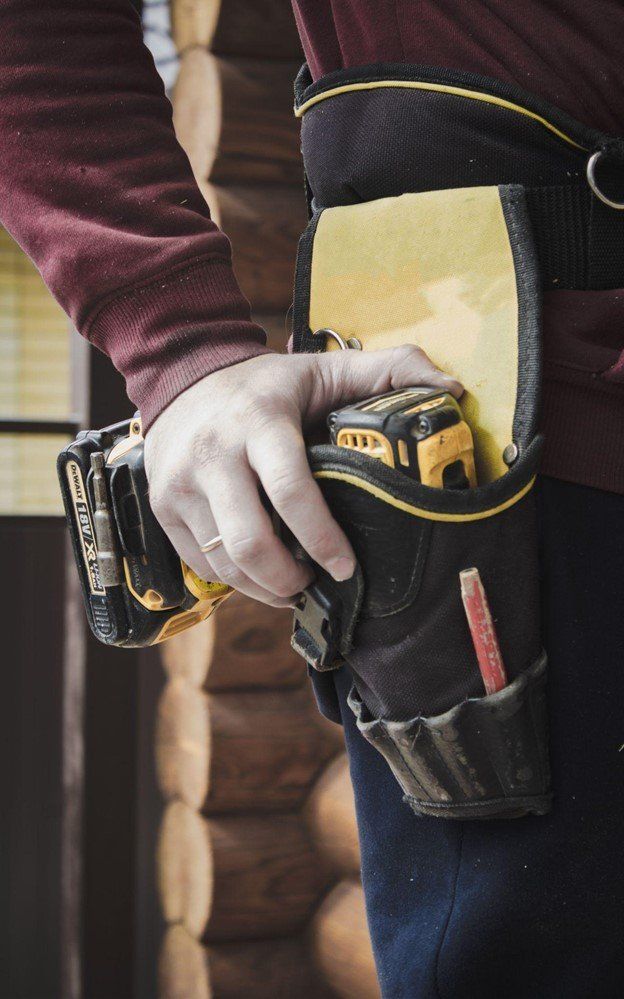
The cost of a drywall project is also directly related to the type of drywall used.  A standard 4’ x 8’ sheet of drywall will cost between $10 and $20.  Specialty types of drywall can cost more, but may be well worth the cost for the long term benefits they provide.  If you are installing the drywall yourself, you also need to budget for tools and supplies.  A roll of drywall tape will cost approximately $5, and a bucket of drywall mud costs $5 to $9.  The screws or nails to secure the drywall will range in price based on the type and number of fasteners required (the fasteners for a ceiling will cost more than fasteners for a cosmetic half wall!).  Tools will range in cost, but should not cost more than $20 or $30.  If you’ve done a DIY project before, you might already have most of the tools you need!


So how do all of these costs translate to a budget for your project?  That is where measuring comes in.  Measure the total surface area that you need to cover with drywall.  Then divide the total square footage by 32 (the size of a standard sheet of drywall).  This is the number of sheets of drywall that you should need.  Unless your project is very small or very simple (no corners or oddities), budget at least one extra sheet of drywall to cover wastage from the cuts you will have to make. 


For projects you will install yourself, $20 to $30 per sheet of drywall is a good way to estimate the total cost of your drywall project.  If you decide to hire a professional, a cost estimate is as simple as requesting a quote!  However you choose to have your drywall installed, you will find that drywall is more affordable than you might think!


Still have questions? Need a quote?  Our professionals are here to help with all your drywall needs!


You might also like
July 30, 2026
Professional Drywall Sanding for Lasting Quality
January 19, 2026
The Importance of Drywall Taping in Wall Finishing
May 2, 2024
When it comes to building or renovating a home, one of the crucial decisions homeowners face is choosing the right materials for their walls. While drywall is the most popular choice in modern homes, it's not the only contender. In this guide, we'll delve into the pros and cons of drywall versus other wall materials, helping you make an informed decision for your next project. Drywall: The Standard Choice Pros: Affordability: Drywall is generally more affordable compared to many other wall materials, making it a budget-friendly option for homeowners. Easy Installation: Drywall installation is relatively quick and straightforward, especially when compared to alternatives like plaster or brick. This can save both time and labor costs during construction or renovation. Versatility: Drywall can be easily painted, textured, or decorated to match any interior design style, offering homeowners flexibility in customization. Fire Resistance: Most drywall products are designed to be fire-resistant, adding a layer of safety to your home. Cons: Prone to Damage: Drywall is susceptible to dents, cracks, and water damage, requiring repairs or replacement, especially in areas prone to moisture. Lack of Durability: While drywall is adequate for most interior walls, it may not withstand heavy impacts or structural stresses as well as materials like concrete or brick. Limited Insulation: Drywall alone provides minimal insulation against sound and temperature fluctuations, necessitating additional insulation materials for improved energy efficiency. Alternatives to Drywall Plaster: Pros: Durability: Plaster walls are highly durable and resistant to dents and scratches, offering long-term structural integrity. Cons: Cost: Plaster installation is typically more expensive than drywall due to labor-intensive application techniques. Brick: Pros: Strength: Brick walls provide excellent structural strength and can withstand extreme weather conditions. Insulation: Bricks offer natural thermal insulation, helping regulate indoor temperatures and reduce energy costs. Cons: Expense: Brick construction is costly, both in terms of materials and labor. Time-Consuming: Building brick walls is a time-consuming process, extending the overall construction timeline. Wood Paneling: Pros: Aesthetic Appeal: Wood paneling adds warmth and character to interior spaces, enhancing visual appeal. Insulation: Depending on the type of wood, paneling can offer decent insulation properties. Cons: Maintenance: Wood paneling requires regular maintenance, including sealing and refinishing, to preserve its appearance and prevent moisture damage. Cost: Quality wood paneling can be expensive, particularly for large wall surfaces. Each wall material option comes with its own set of advantages and drawbacks, and the choice ultimately depends on factors such as budget, aesthetic preferences, and practical considerations. While drywall remains a popular and cost-effective choice for interior walls, alternatives like plaster, brick, and wood paneling offer unique benefits in terms of durability, insulation, and aesthetic appeal. Ultimately, it is up to you as the homeowner to weigh the pros and cons of each material carefully so that you can make an informed decision that suits your needs and preferences. If you decide that drywall is the best choice for your space, our drywall installation experts are here to help with this important part of your renovation project!
estimated_quoteArtboard 3

GET FREE QUOTE

FREE QUOTE

Contact Us