How far should drywall be off the floor?

October 13, 2022

When building or renovating homes, drywall is the most frequently used material. It is an extremely useful material that may be used to construct ceilings and walls. Drywall is a terrific do-it-yourself job for many different households since it is so simple to put up. However, for professional drywall installation, Drywallers Kitchener has proven to do extremely great work.

You might be curious about how high off the ground you should install the drywall. This article will help you understand how far to install drywall off the floor for excellent results.

Is it Right to have a Gap between the Floor and the Drywall?

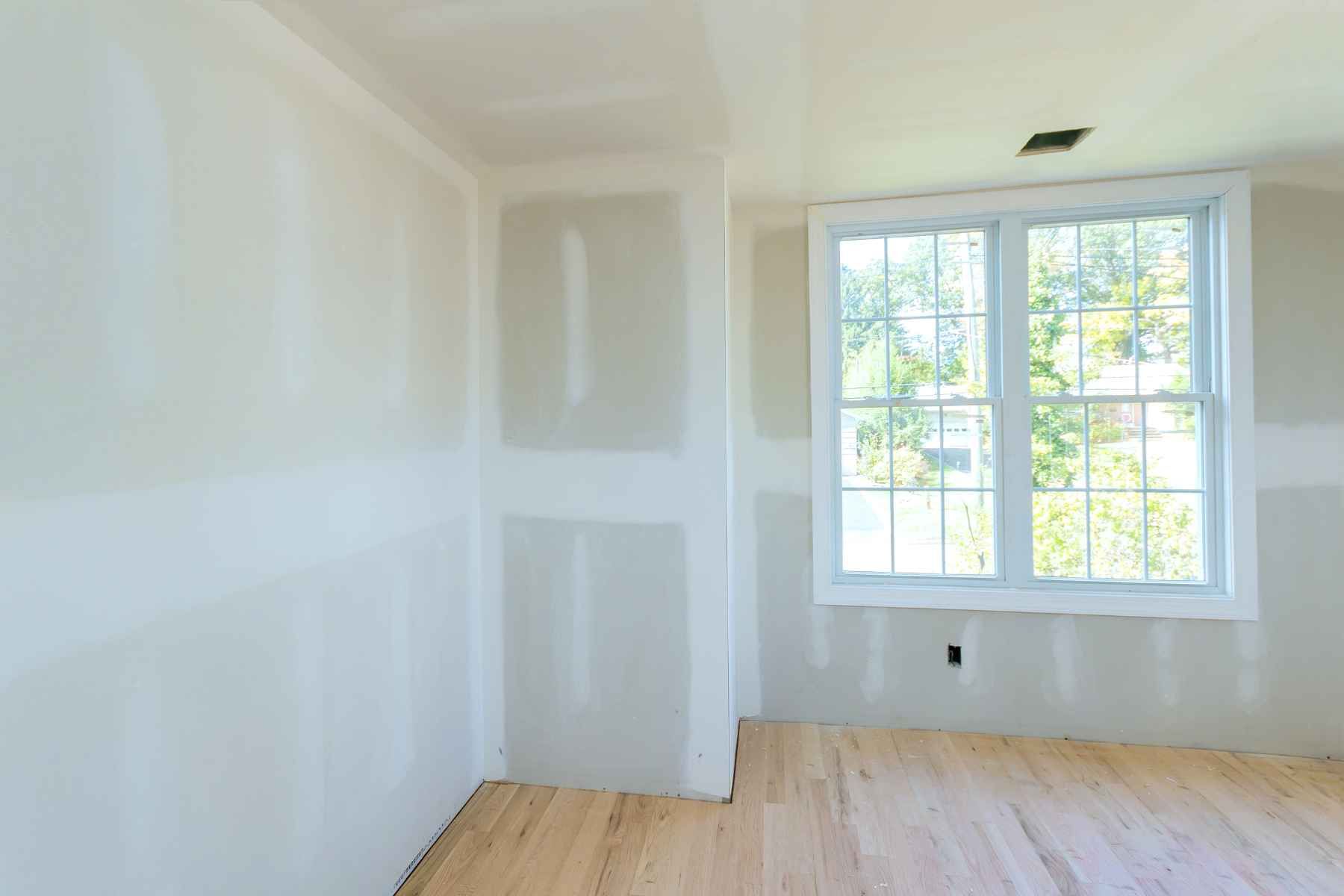
Initially, it may seem too counter-logical to make space between your floor and your wall; nonetheless, you should always maintain a gap of ½ inch to ⅝ inch between the drywall and the floor. There are various factors that motivate this decision such as;


Drywall can absorb moisture

Drywall placed directly on concrete will absorb any moisture available in the floor, whether that is exposed to moisture now or will be prevalent in the future. Drywall exposed to moisture runs the risk of rotting and falling apart. In addition, it offers the perfect environment for mold to flourish.


Several concrete walls are not leveled well

Even though the flooring built after the drywall can rectify any defects in the floor, if drywall is installed directly on the floor, even a slight slope in the concrete will result in an entire sheet of drywall being crooked.  Large gaps may appear either between the sheets of drywall or between the ceiling and the drywall if even one of the sheets is not level.


Different weather variations result in the expansion and contraction of floor and drywall

When the sheets of drywall expand, they will impose pressure on each other if they lay directly on the floor. There is a good chance that this will crack the drywall. Consequently, when a house settles, drywall that comes in close touch with the concrete slab and is forced up as the house settles might fracture.


Can Drywall Touch the Floor?


When the drywall is laid flush against the floor, one of the issues that might arise during the installation process is that the drywall can crumble or bow as a result of the installation. This is due to the drywall's natural expansion and contraction that occurs due to the environment in which it is located.

The drywall has a propensity to crack and bend if there is no modest space to allow for natural movement. This results in the drywall having an unappealing appearance.

If you press the drywall up against the floor, you run the risk of it absorbing moisture, which is another problem that could arise. In the highly improbable case that there is water on the floor or if there is leakage under the floor, the porous quality of the drywall will make it simple for this water to be absorbed. This results in mold growing on your drywall, which ultimately causes the drywall to rot.

Do you want to install your drywall on the floor? It is important to understand the required spacing between the floor and drywall properly. Contact Drywallers Kitchener Inc. for professional drywall installation.

You might also like
July 30, 2026
Professional Drywall Sanding for Lasting Quality
January 19, 2026
The Importance of Drywall Taping in Wall Finishing
May 2, 2024
When it comes to building or renovating a home, one of the crucial decisions homeowners face is choosing the right materials for their walls. While drywall is the most popular choice in modern homes, it's not the only contender. In this guide, we'll delve into the pros and cons of drywall versus other wall materials, helping you make an informed decision for your next project. Drywall: The Standard Choice Pros: Affordability: Drywall is generally more affordable compared to many other wall materials, making it a budget-friendly option for homeowners. Easy Installation: Drywall installation is relatively quick and straightforward, especially when compared to alternatives like plaster or brick. This can save both time and labor costs during construction or renovation. Versatility: Drywall can be easily painted, textured, or decorated to match any interior design style, offering homeowners flexibility in customization. Fire Resistance: Most drywall products are designed to be fire-resistant, adding a layer of safety to your home. Cons: Prone to Damage: Drywall is susceptible to dents, cracks, and water damage, requiring repairs or replacement, especially in areas prone to moisture. Lack of Durability: While drywall is adequate for most interior walls, it may not withstand heavy impacts or structural stresses as well as materials like concrete or brick. Limited Insulation: Drywall alone provides minimal insulation against sound and temperature fluctuations, necessitating additional insulation materials for improved energy efficiency. Alternatives to Drywall Plaster: Pros: Durability: Plaster walls are highly durable and resistant to dents and scratches, offering long-term structural integrity. Cons: Cost: Plaster installation is typically more expensive than drywall due to labor-intensive application techniques. Brick: Pros: Strength: Brick walls provide excellent structural strength and can withstand extreme weather conditions. Insulation: Bricks offer natural thermal insulation, helping regulate indoor temperatures and reduce energy costs. Cons: Expense: Brick construction is costly, both in terms of materials and labor. Time-Consuming: Building brick walls is a time-consuming process, extending the overall construction timeline. Wood Paneling: Pros: Aesthetic Appeal: Wood paneling adds warmth and character to interior spaces, enhancing visual appeal. Insulation: Depending on the type of wood, paneling can offer decent insulation properties. Cons: Maintenance: Wood paneling requires regular maintenance, including sealing and refinishing, to preserve its appearance and prevent moisture damage. Cost: Quality wood paneling can be expensive, particularly for large wall surfaces. Each wall material option comes with its own set of advantages and drawbacks, and the choice ultimately depends on factors such as budget, aesthetic preferences, and practical considerations. While drywall remains a popular and cost-effective choice for interior walls, alternatives like plaster, brick, and wood paneling offer unique benefits in terms of durability, insulation, and aesthetic appeal. Ultimately, it is up to you as the homeowner to weigh the pros and cons of each material carefully so that you can make an informed decision that suits your needs and preferences. If you decide that drywall is the best choice for your space, our drywall installation experts are here to help with this important part of your renovation project!
estimated_quoteArtboard 3

GET FREE QUOTE

FREE QUOTE

Contact Us